



The booking’s in. Maybe the confirmation is sitting in your inbox, or maybe the page is still open in another tab while you decide. You’ve read about how it works and seen that skin glow all over your feed, but you’d still like to know what the appointment will actually feel like.
Your first Hydrafacial is simpler than it looks online. It’s three steps, about 30 minutes, and most people go straight back to their day. There’s nothing to recover from and nothing to prove, just half an hour that’s about your skin and nobody else’s.
Before your first HydraFacial
Most of the prep happens in the fortnight before, and none of it is complicated. Keep your skin out of the sun as much as you can, and leave two weeks after any other cosmetic treatment. Cold sores, broken skin and open wounds need to heal fully first, so move your appointment if one flares up.
Planning your appointment
If you’re booking with an event in mind, give yourself a few days of breathing room the first time. You’ll probably leave looking fresh, but it’s nice to know how your skin responds before a wedding or a big work day is riding on it.
On the day, wear whatever’s comfortable and jot down the products in your routine, especially anything with actives like retinol or exfoliating acids. It saves you trying to remember the name of that serum you bought last spring.
Who should wait, or skip it
Hydrafacial is gentle, but it isn’t for everyone. Skip it if you have an aspirin or corn allergy, and wait if you’re pregnant or breastfeeding. Both are firm rules rather than cautions, so mention either one when you book, even if you’re only planning ahead.
If you’re using a prescription skin or acne medication, mention it when you book so your therapist can check the timing. If the timing isn’t right, they can suggest a better option in the meantime. It’s a quick conversation, and it means your first appointment goes ahead without any surprises.
The 30 minutes, step by step
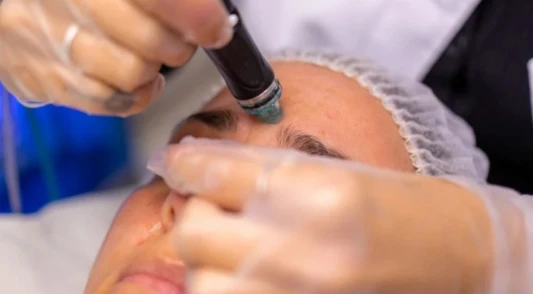
It starts with a proper look at your skin, under good light and without any rush. Your therapist asks about your routine, since the serums in a Hydrafacial treatment are matched to what your skin needs that day. It’s also the moment to say which option you’d like. So what does a Hydrafacial do? It works in stages, and each one prepares your skin for the next:
- Exfoliate and resurface. Dead surface cells are cleared away so fresher skin sits on top. It feels like a cool, wet sweep across your face.
- Cleanse the pores. Gentle suction lifts out congestion and build-up. It feels like a light pull, a bit like a tiny vacuum, and it’s far calmer than the videos make it look.
- Nourish and hydrate. Moisturisers, antioxidants and peptides go into freshly cleared skin. It’s cool and soothing, and usually the part people like most.
You’re lying back the whole time, and it’s generally quiet. Because the pores are cleared first, the serums go onto clean skin, which is a big part of that fresh, hydrated finish. Ask questions as you go, and if something in particular is bothering you, like congestion around your nose or dry patches on your cheeks, point it out early so your therapist can spend a little more time there.
What happens after a Hydrafacial?
Skin usually looks fresher and feels more hydrated straight away, though individual results vary. Once the first 24 hours have passed, keeping that moisture in is where your routine takes over, and a hyaluronic acid serum is one of the simplest ways to do it. It doesn’t need to be anything fancy, just something you’ll actually use.

Any mild redness usually settles within a few hours. Beyond that, Hydrafacial aftercare comes down to being gentle with your skin for a little while. None of it is fiddly, and you’ll get a quick run-through afterwards, and the timings are easy to remember:
- Today, put SPF on before you leave and stay out of direct sun
- For the first 24 hours, skip products with active ingredients
- For the first seven days, hold off on exfoliating, including scrubs and acids
- For the next two weeks, take a little more care in the sun than usual
That smooth feeling lasts around five to seven days for most people, and the benefits of a Hydrafacial tend to grow with regular visits. Your therapist may suggest a product or two for home, but there’s no pressure to buy anything on the way out.
Hydrafacial , Deluxe or Platinum, and what to ask for
All three options start with the same core steps, so there’s no wrong choice for a first visit. Deluxe and Platinum take hydration and a healthy glow a step further, with a tailored add-on and more time on your skin. Here’s roughly how they compare.
| Option | What’s added | Worth asking for if |
| HydraFacial | The core treatment, in about 30 minutes | It’s your first time and you’d like to see how your skin responds |
| HydraFacial Deluxe | A tailored add-on chosen for one concern, such as dullness or uneven tone | There’s one thing you’d like the treatment to focus on |
| HydraFacial Platinum | Everything in Deluxe, plus a gentle lymphatic drainage massage to start | You’d like the longest, most hands-on version |
For a first visit, the classic HydraFacial is a lovely place to start, since it shows you how your skin responds. Your therapist can tell you whether an add-on is worth it, and it’s fine to keep things simple. Single treatments start from $249, and the price is shown before anything goes ahead. If you suspect you’ll be back, ask about packages too, since booking a few together can work out better value.
Where Hydrafacial fits in a Skin Journey
One Hydrafacial is a good reset, but it also suits a regular rhythm. Most people start fortnightly, then settle into monthly visits. Over time, a plan built around your skin can take in other goals too, as part of a longer skin journey, so each visit builds on the last.
Your therapist reviews how your skin is responding along the way, and the plan shifts with it, whether that’s more hydration through winter or a lighter touch when life gets busy. For many people, keeping skin healthy and comfortable matters more than any big transformation.
Between visits, your routine at home does a lot of the work. A gentle cleanser, a hydrating serum and daily SPF all help your results hold for longer. If your bathroom shelf has grown a little crowded over the years, it’s worth asking for help paring it back to what your skin actually needs.
Why a proper look makes the difference
Knowing what to expect from a Hydrafacial helps, but the first conversation matters just as much. If you’ve tried a few clinics over the years, you’ll know how much it helps when someone really looks at your skin before recommending anything.
Every plan at Clear Skincare starts with a proper look at your skin, not a fixed menu. Your qualified skin therapist will be honest if a Hydrafacial isn’t the right fit today, or if it’s worth waiting a couple of weeks. That isn’t a no. It’s a plan that suits you.
Pricing is transparent, so you’ll know the cost before you commit to anything. With clinics across Australia, there’s likely one close by, and you can walk in or book online in minutes. If a clinic near work suits you one month and one near home the next, that’s fine too.
Making your first Hydrafacial your own
It’s easy to overthink a first treatment, especially one you’ve mostly seen through a phone screen. In reality, a first Hydrafacial asks very little of you. You turn up, lie back and let someone else look after your skin for a change.
That’s really the point. It isn’t about fixing anything or keeping up with a trend. It’s a bit of time that’s just for you, and whether it becomes a monthly ritual or an occasional treat is entirely your call. Some people book their next visit on the way out, and others wait to see how their skin feels first.
There’s no rush to decide anything today. When you feel ready, you can book a consultation online and choose a time that suits your week. Bring your questions along, however small they seem, and your therapist will take it from there.
FAQs
A few quick answers to the questions that tend to come up before a first visit. Everything here is general information, and your therapist will tailor their advice to your skin, since every skin is different. If your question isn’t here, it’s worth asking at your skin check.
How long does a first Hydrafacial take?
The core treatment takes about 30 minutes, plus a little extra time on your first visit for your skin check and a chat about your routine. Deluxe and Platinum take longer, and your clinic can tell you exactly how long when you book.
Does a Hydrafacial hurt?
It tends to feel more relaxing than people expect, and even the pore cleansing step feels more like a gentle pull than anything sharp. If something doesn’t feel right, say so and your therapist can ease off.
Hydrafacial or microdermabrasion, which suits me?
Both are exfoliating treatments, but Hydrafacial also cleanses the pores and adds hydrating serums in the same session, while microdermabrasion focuses on smoothing the surface. A therapist can look at your skin and suggest which one is the better fit.
Is Hydrafacial suitable for my skin type?
Hydrafacial suits a wide range of skin types, since the serums are chosen for your skin at each visit. If your skin is sensitive or reacts easily, mention it at your skin check so your therapist can adjust the treatment.
Can I wear makeup after a Hydrafacial ?
On the day, stick to sunscreen or a BB cream if you’d like some coverage, and give your skin a little time before anything heavier. If you have plans that evening, an earlier appointment gives your skin more time to settle before you head out.
Can I have a Hydrafacial while pregnant or breastfeeding?
Hydrafacial isn’t suitable during pregnancy or while breastfeeding, so it’s one to save for later. In the meantime, a consultation can help you find something that suits your skin and plan when to come back to Hydrafacial .