




Cooler months, clearer skin: laser and pigmentation treatments in winter
Summer’s tan has faded, and there’s a mark on your cheek that wasn’t there in January. Or maybe it was, and the tan was just doing a better job of hiding it than you realised. Either way, this is usually the point where people file it away as a summer problem, something to sort out before the next tan rolls around.
Winter works in your favour for laser and pigmentation treatments, and that has nothing to do with waiting for warmer weather or planning around a holiday. It comes down to what your skin’s actually dealing with right now, and what makes healing easier while you deal with it.
Why winter suits laser and pigmentation treatments
Although pigmentation and unwanted hair are very different concerns, the same principle applies to both treatments. Lower UV exposure means your skin has less to contend with while it recovers. This can make healing easier, particularly if your skin is already sensitive.
Skin treated in winter has a much lower chance of reacting with unwanted pigment change while it recovers, since there’s less UV pushing melanin production in the wrong direction. That’s true whether the treatment is targeting a hair follicle or a patch of pigmentation. It’s exactly why the same season tends to suit both, rather than just one or the other.
If you’re unsure how your skin will respond, it is worth speaking with a clinician first rather than assuming the same treatment will work for you because it worked for someone else. A consultation before you commit can help determine whether the treatment is appropriate for your skin and avoid a session that may not deliver the result you are looking for.
Your tan’s gone, so pigmentation is finally visible
Pigmentation doesn’t get worse over winter, even if it might look like it. It just stops being covered up once the tan that was masking it fades. Marks that were barely noticeable in January can look a lot more obvious by June, once your skin’s back to its natural tone.
Sun spots are often the first thing people notice once a summer tan fades. This is a common form of hyperpigmentation. It builds up over years of sun exposure, usually on the face, chest and hands, and it’s often been there longer than people realise. Getting uneven skin tone assessed properly can help you understand what you are dealing with, rather than waiting for another tan to make it less noticeable.
When it’s melasma, not sun damage
Treating pigmentation in winter means lower UV is already working in your favour. Sometimes what’s showing up isn’t sun damage at all. Melasma behaves differently. It’s driven more by hormonal changes than by sun exposure alone, and tends to show up as broader, symmetrical patches across the cheeks or upper lip, often on both sides of the face at once.
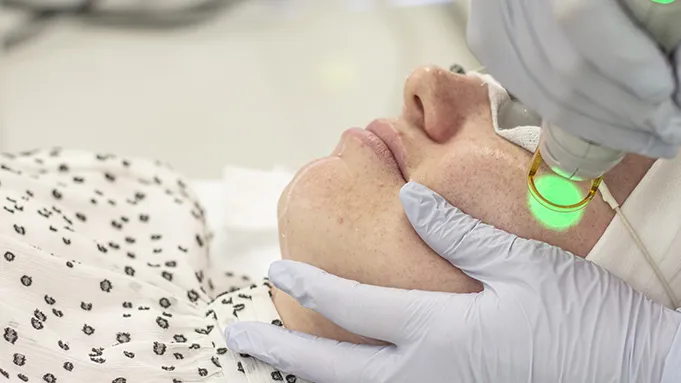
It also responds better to an ongoing plan than a single visit, since it can flare again if the trigger behind it, usually heat, hormones, or sun, hasn’t settled yet. For more stubborn patches, a laser pigmentation treatment tends to make more headway than a single session ever could. That’s especially true once winter takes some of the heat and UV out of the equation.
Avoiding the sun is realistic right now
Laser hair removal runs on a completely different mechanism, but the same seasonal logic still applies. The laser targets pigment in the hair follicle, which means there needs to be enough contrast between the hair and the surrounding skin for it to work properly and safely.
A fresh tan reduces the contrast between treated pigment and the surrounding skin while increasing the risk of an unexpected reaction. That is why clinics generally recommend avoiding sun exposure and self-tanning for the weeks before and after each session.
That’s part of why laser hair removal fits so naturally into a winter schedule, when avoiding the sun is realistic rather than wishful thinking. There’s no summer holiday to plan around, and no tan to protect either.
What counts as sun exposure before and after a session
It’s worth being specific about what counts here, since the instruction to avoid sun exposure gets interpreted loosely more often than it should.
- Tanning beds and self-tanner, not just direct sun
- An accidental afternoon outside on a mild winter day, since UV doesn’t disappear just because it’s cold
- Anything applied to the skin that increases sun sensitivity, which is worth checking with your clinician beforehand
Being upfront about this before a course starts saves a rescheduled session later, and it’s a far easier conversation to have in winter than in the middle of summer. Most clinics would rather hear about it in advance than have to pause a session halfway through.
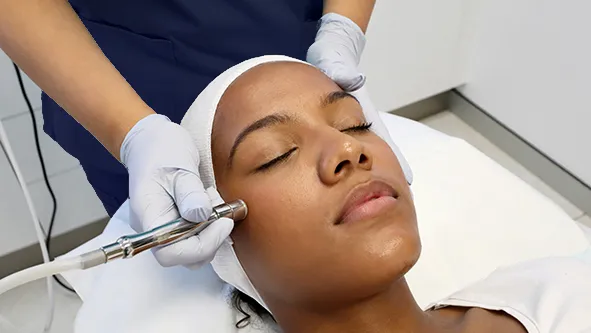
Rough or uneven texture responds well to something more thorough than a home routine can manage, whether that’s microdermabrasion or a round of dermaplaning
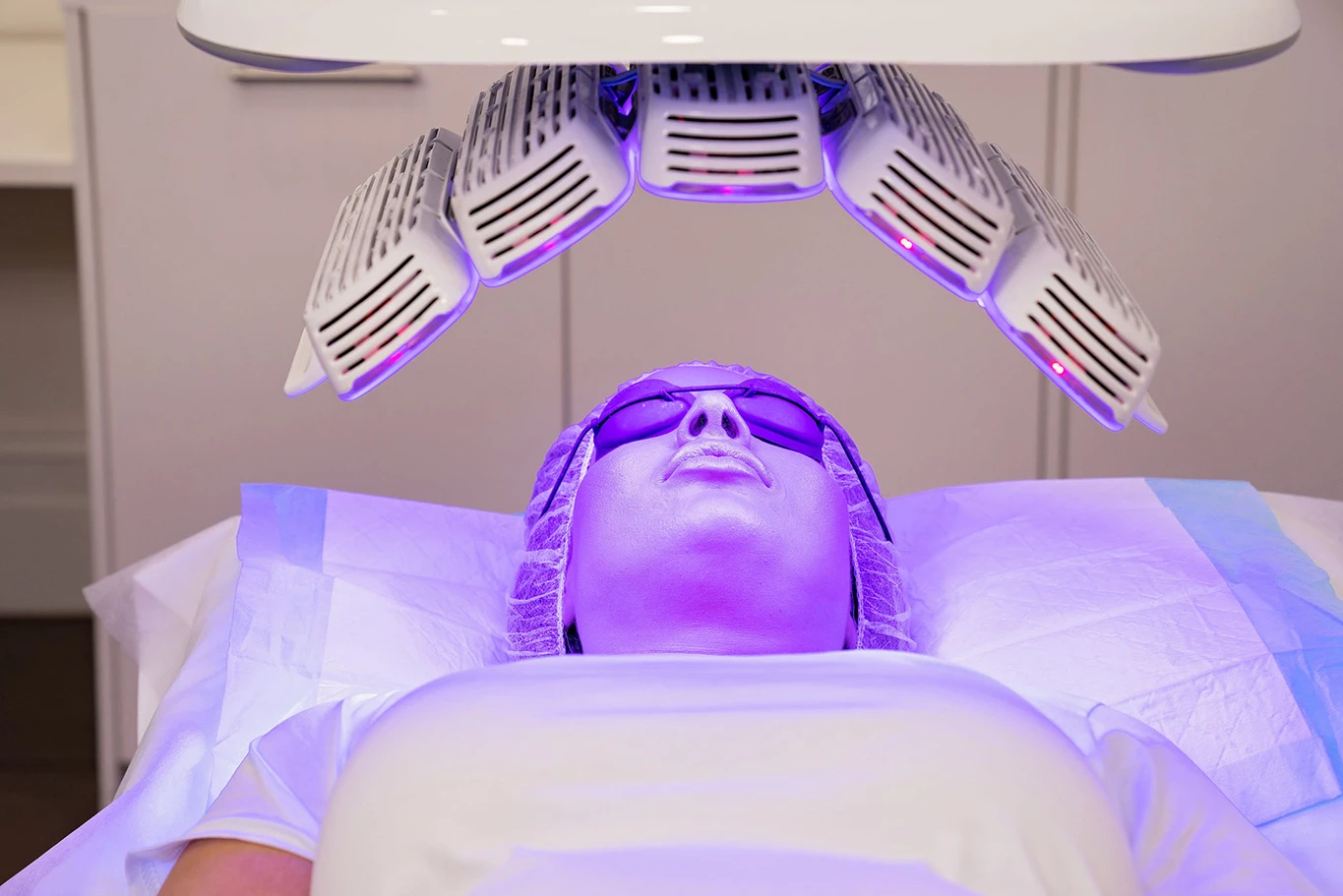
Skin that feels reactive rather than damaged tends to do best with LED light therapy, the gentler option that calms things down without targeting one specific concern
None of these needs to be decided on the spot. A proper conversation is what settles it, not a guess based on whatever you last saw recommended online, and a good clinician will tell you plainly if something isn’t worth doing yet.
Self-care that goes further than home care
Self-care skincare doesn’t stop at what you do at home, and treating it like it does is where most routines quietly stall. Cleansers and serums can only work with what’s already happening beneath the surface, and sometimes moving things forward means turning to a proper in-clinic treatment instead, one that works at a level daily products simply aren’t built to touch.
Knowing when to make that call is its own kind of self-care, maybe the most honest kind, and it’s worth asking again the next time you’ve got a Sunday to yourself, not what’s next on a list, but what your skin’s actually telling you right now.
Self-care skincare comes down to exactly that. Not a routine to keep up appearances with, not a treat you have to justify to anyone, just paying attention on your own terms, as often as you actually need to and no more often than that.
Making it easy to actually follow through
None of this needs to be complicated, and that’s really the appeal of somewhere like Clear Skincare. You’ll know what something costs before you’re in the chair, and nobody’s trying to talk you into more than you came in for.
A consultation starts with your skin, not a menu of treatments you’re expected to pick from, and with clinics across Australia, finding a clinic near you tends to be the easy part. Walking in or booking online both work, whichever gets you there sooner.
Whichever treatment ends up being right for you, it’s decided with you, by someone properly qualified to make that call, not handed to you off a list.
Book your self-care skincare check-in
If you’re not sure where to start, that’s exactly what a consultation is for, so it’s worth taking a moment to book a consultation and let someone properly qualified tell you what your skin actually needs this winter, no guesswork required.
Self-care skincare starts with paying attention. The rest is just working out what to do with it, one honest conversation at a time.
FAQs
What counts as self-care skincare?
It’s less about a specific routine and more about paying attention to what your skin actually needs, rather than sticking to the same products regardless of how your skin’s doing that week. That might mean a night off from actives, or booking something more considered when home care isn’t enough to close the gap.
How do I know what my skin actually needs, rather than just wants?
Wants tend to be about how a treatment sounds, while needs show up as changes you can actually feel: tightness, dullness, rough patches, or a tone that’s shifted since last season. A proper consultation is the easiest way to tell the difference, rather than guessing based on what’s trending online.
What happens at a skin consultation?
A clinician looks at your skin, asks what’s changed, and talks you through what’s actually worth doing, without any pressure to book on the spot. It’s a conversation first, a treatment plan second, built around your skin rather than a set script.
Can I have more than one treatment in the same visit?
Sometimes, depending on what your skin needs and how the treatments work together. Your clinician can tell you what pairs well and what’s better spaced out across separate visits, so nothing works against something else you’re having done.
How often should I check in on my skin?
A proper check-in doesn’t need to happen every week, but noticing changes each season makes it easier to catch things early. A seasonal reset, like this one, tends to be a good rhythm to work with.