

It often happens in the first properly warm week of the year. A crowded train or a sunny walk to lunch leaves you sweaty, and by the weekend a new spot has appeared along your jawline. After a winter of calm skin, it can feel like you’ve gone backwards overnight.
Your skin is most likely adjusting to the new season. Warmer weather changes what it deals with each day, and a routine built around cold mornings and heaters may need a refresh. A few small changes to your spring skincare routine can make a real difference, without starting from scratch.
Why do breakouts come back in spring?
When a routine that kept your skin settled all winter suddenly feels off, your skin is responding to new conditions. Breakout-prone skin is often the first to notice the shift, and understanding what’s behind it makes the right changes much easier to spot.
Heat, sweat and extra oil
Warmer days bring more oil, and sweat sits on the skin for longer, especially under a cap or a layer of sunscreen. Mixed with dead skin cells, it can clog pores and turn congested skin into breakouts and acne along the jaw, chin and forehead. The same process happens all year, but heat speeds it up.
Heavier products and more time outdoors
Spring also changes what goes on your skin. A rich moisturiser that felt comforting in July can feel heavy as humidity rises, and more time outdoors means sunscreen stays on your face for longer. Together, they add to the load on pores that are already working harder.
How should your spring skincare routine change?
Lightening your current routine works better than starting a new one. The aim is to keep pores clear without stripping your skin, a balance that matters even more for acne-prone skin. As the days warm up, these changes make the biggest difference:
- Add an extra cleanse after you sweat to your morning and night routine, ideally with a cleanser containing glycolic acid to help keep pores clear.
- Swap a rich winter cream for a lighter moisturiser, but keep one in, since skipping it can leave skin feeling tight.
- Use a leave-on treatment with salicylic acid to help keep congestion under control.
- Apply sunscreen every morning, as it’s the one step that stays in your routine all year.
When a breakout appears, scrubbing harder can feel like the answer. Daily exfoliation is one of those habits worth unlearning, because stripping the skin leaves it more irritated. Two or three times a week is enough for most people, and your skin will show you if it needs less.
Does sunscreen cause breakouts?
The right sunscreen shouldn’t leave you congested, and it stays in your routine whatever the season. Apply it and wear it every day, including on cloudy days and days spent mostly indoors, because spring sun has a way of finding you.
If you suspect a sunscreen is behind your breakouts, look at the texture before giving up the habit. Heavy, rich formulas can feel congesting on oily skin, while lighter, oil-free textures sit more comfortably through the day.
Sun care matters even more around some in-clinic treatments. With a professional peel, the guidance is to avoid excessive sun for two weeks before and after, which makes spring a good time to plan ahead. Your therapist can help you time treatment around long weekends and holidays.
When home care isn’t keeping up
Even a good routine sometimes needs support, and that’s no reflection on how you’ve cared for your skin. Breakout-prone skin often responds well when in-clinic skin treatments work alongside home care, and each of the three options below follows its own rhythm.
LED Light Therapy
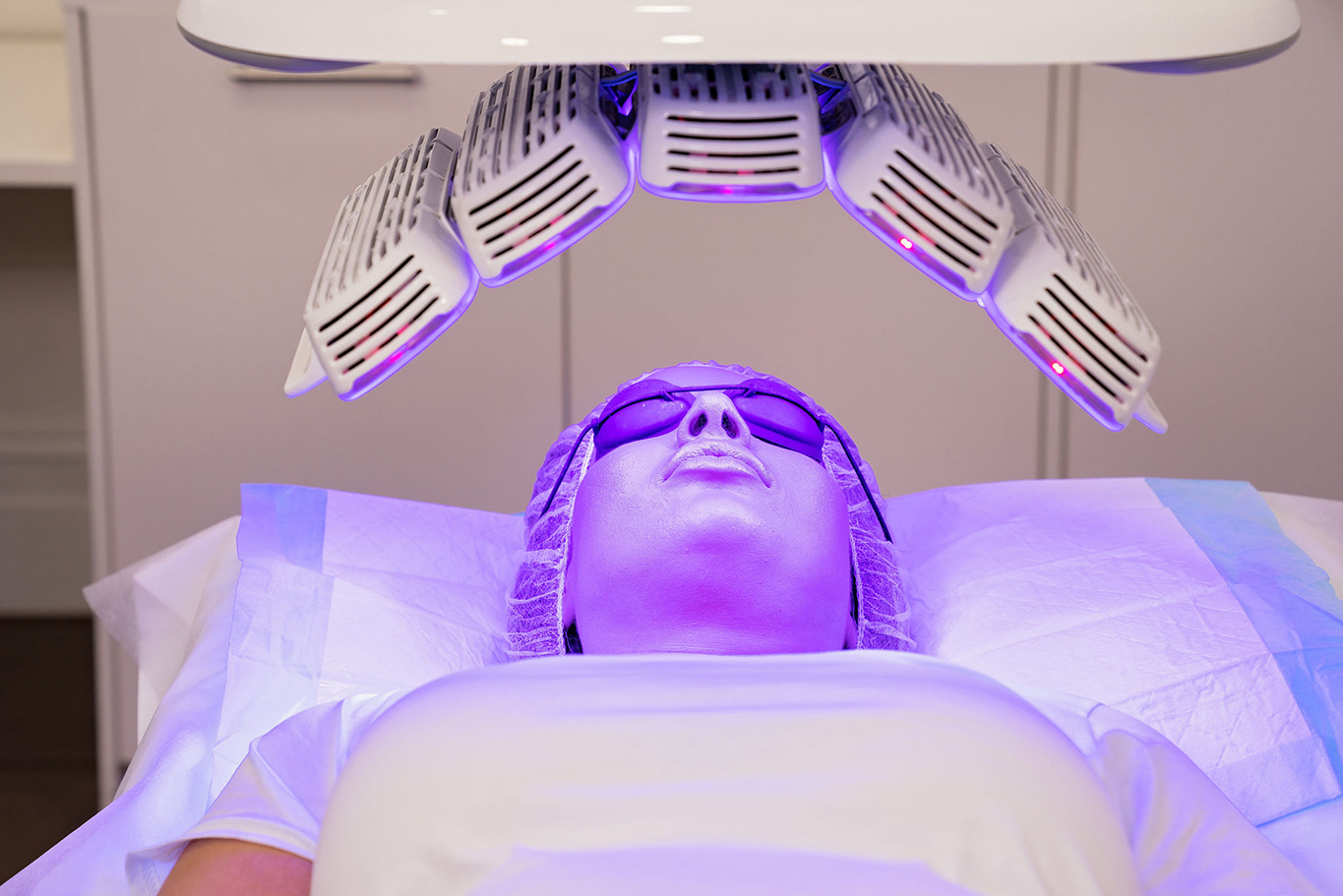
LED Light Therapy uses blue light to target and reduce the acne-causing bacteria responsible for breakouts and inflammation. For best results, 10-minute sessions are recommended at least twice a week over a period of 8 to 12 weeks. This treatment is suitable for all skin types and can be easily incorporated into an acne management routine. To support optimal results, avoid active skincare ingredients for 24 hours after treatment, and avoid sun exposure and exfoliation for 7 days.
Acne MediPeel
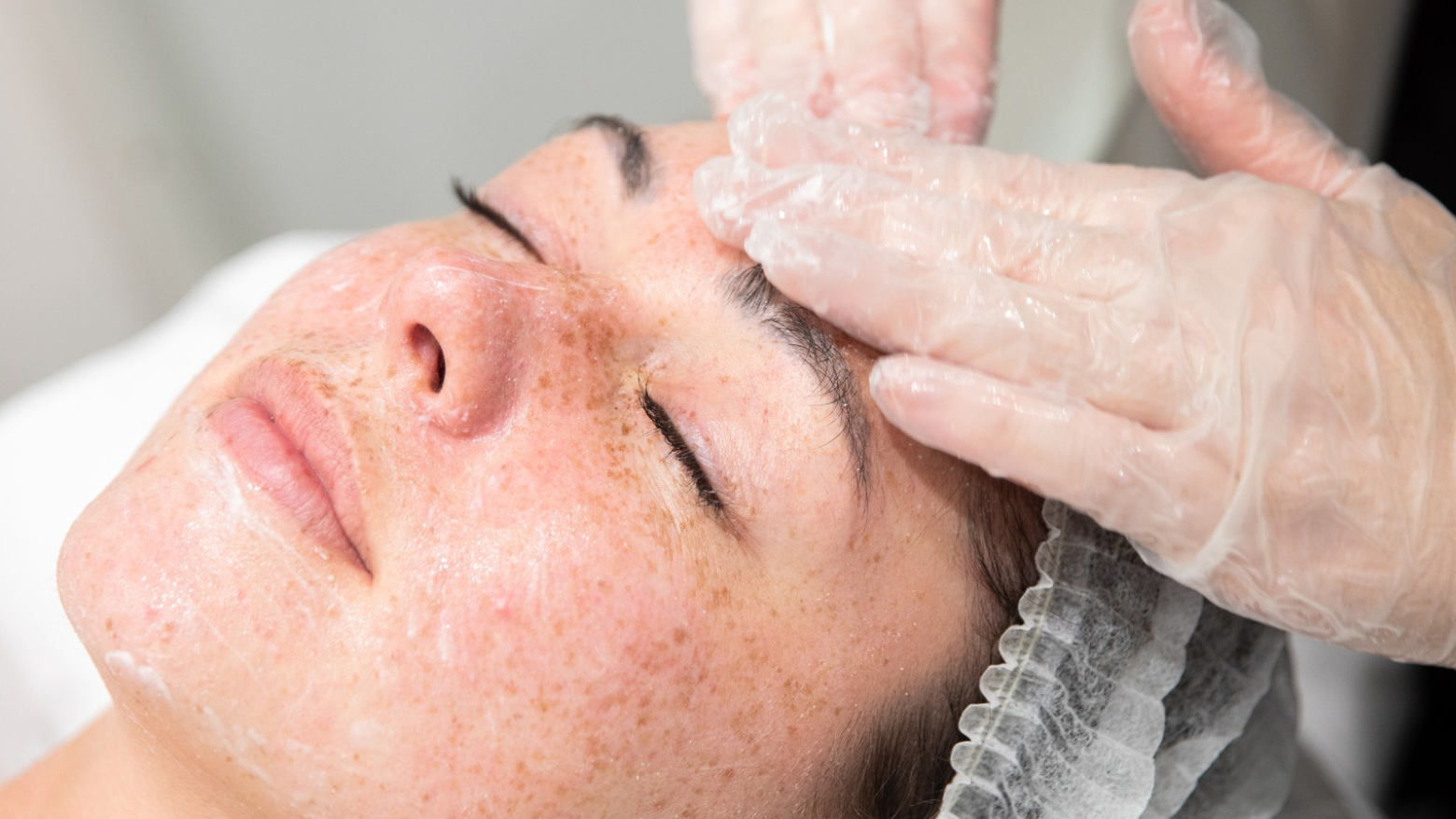
Acne MediPeel combines salicylic, lactic and fruit acids to help dissolve excess oil, unclog pores and promote clearer-looking skin. Following treatment, avoid heat and exercise for 24 hours, and refrain from exfoliating for one week. Excessive sun exposure should be avoided for two weeks before and after the peel to support skin recovery and results. This treatment is not suitable for broken skin, open wounds or active cold sores.
Microdermabrasion
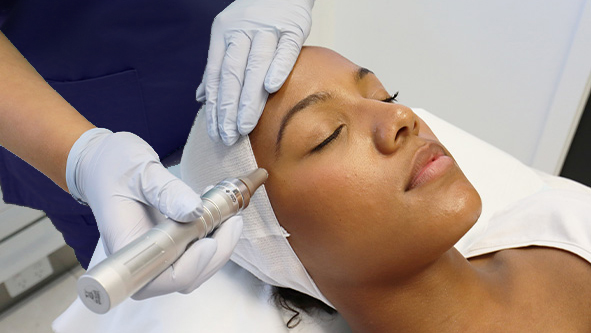
Microdermabrasion helps clear blackheads and reduce congestion by exfoliating the skin’s surface. A course of 3 to 6 treatments, spaced two weeks apart, is typically recommended, followed by monthly maintenance treatments. Some dryness or mild peeling may occur during the first 1 to 3 days after treatment. As it is not suitable during active acne, it is best considered once breakouts have settled.

Light-based treatment is a common starting point for active breakouts. Sessions of blue LED light take around 10 minutes, and results build over 8 to 12 weeks of regular visits. Because consistency matters, it works best as a course rather than a one-off.
Your therapist will suggest what suits your skin now, and that can change as things settle. Microdermabrasion, for example, comes into the picture once active breakouts have calmed down. Individual results may vary, so your plan is reviewed as you go.
Why a proper skin assessment matters
Breakouts can look alike on the surface yet need quite different things underneath. A skin assessment comes before any recommendation, so your therapist can see what’s going on instead of guessing from a photo or a product label.
Clear Skincare grew out of clinically treating acne, and breakout-prone skin remains at the heart of what its qualified skin therapists do every day. You can expect an honest view of what will help now and what’s better left until your skin has settled.
An assessment is also the place to ask what a general guide can’t answer, such as which ingredients suit your skin or how long to give a new routine before changing it. Even if the advice is to stay the course for a few more weeks, you’ll know you’re on the right track.
Making spring work for your skin
Spring breakouts can feel like a step backwards after a calm winter, but they’re usually your skin responding to warmer, stickier days. A spring skincare routine can adapt to that, and a lighter routine finished with sunscreen every morning goes a long way.
It helps to keep perspective, as a few spots during a hot week sit alongside all the progress your skin made over winter. In most cases, your routine is still doing its job and only needs some fine-tuning for the season ahead.
You don’t have to work it out alone. When you’re ready, you can book a consultation and talk through this season’s changes with someone who sees breakout-prone skin every day. Bring your current routine and any products you’re unsure about, and you’ll leave with a clearer picture of what your skin needs.
FAQs
These answers cover what people ask most once the weather warms. Treatment information here is general in nature, and your therapist can adjust the advice to suit your skin.
Why am I breaking out more now that it’s warmer?
Heat and humidity increase oil production, and sweat sits on the skin for longer, which can clog pores. That congestion can then lead to breakouts, often around the jaw, chin and forehead.
Can sunscreen cause breakouts?
The right sunscreen shouldn’t leave you congested, although a heavy, rich texture can feel that way on oily or breakout-prone skin. A lighter, oil-free formula is the better choice, since daily sun protection still matters.
How often should I exfoliate breakout-prone skin?
Two or three times a week is enough for most people, as daily exfoliation can leave skin irritated. If your skin feels tight or stings when you apply products, ease back further.
How long does LED take to work on breakouts?
Each LED session takes about 10 minutes, with at least two sessions a week recommended. The best results show over 8 to 12 weeks, although individual results may vary.
Can I have microdermabrasion with active breakouts?
Microdermabrasion isn’t suitable during active acne, so it’s best saved for when breakouts have settled. Until then, your therapist can suggest a treatment that works with your skin as it is now.
Should I stop exercising if sweat makes me break out?
Exercise is still fine, and cleansing soon after a workout stops sweat from sitting on your skin. After a peel, avoid heat and exercise for the first 24 hours.